
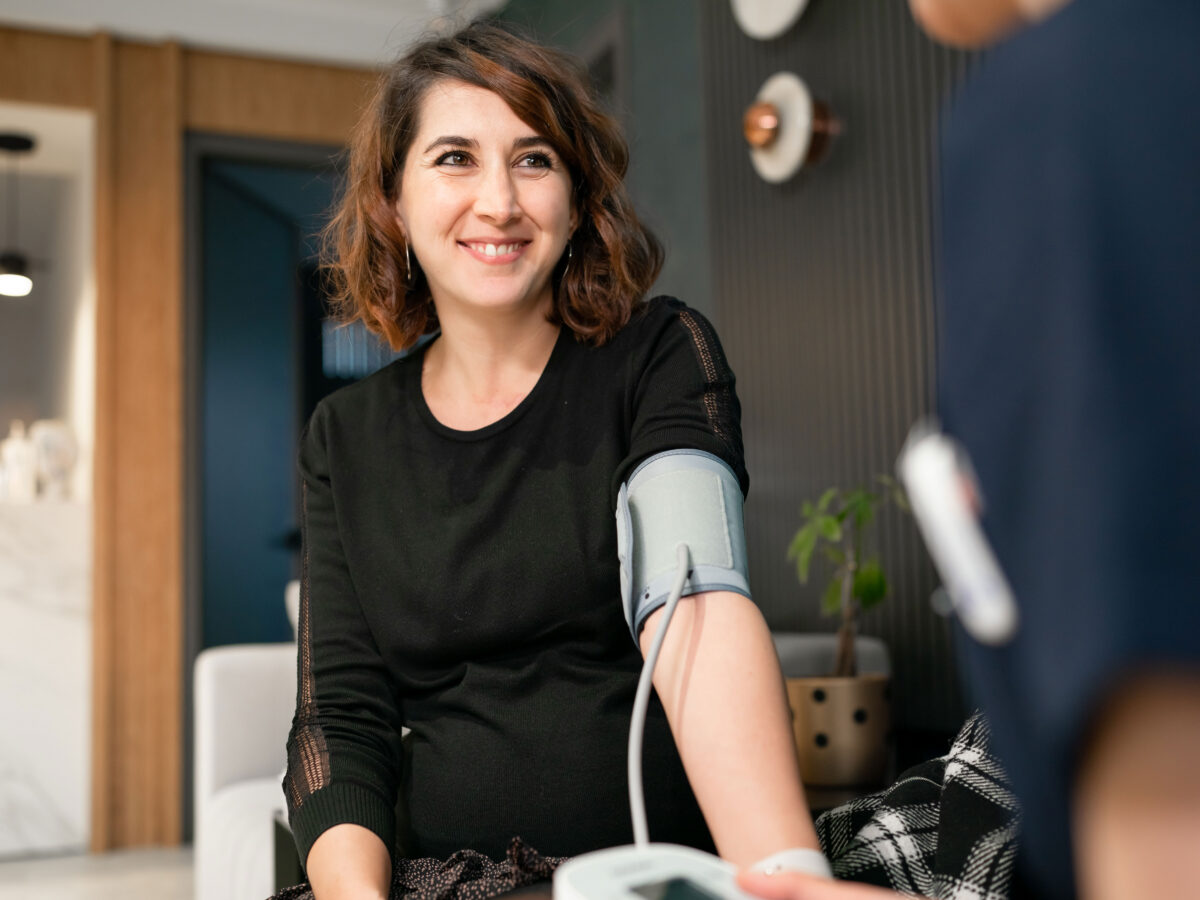
Why biometric health screenings matter.
For HR leaders, the biometric screening meaning extends beyond a benefits line item. Screenings are a business-critical piece of a well-being strategy. This is the moment when abstract population-health goals become concrete, personal data that individuals can act on.
Screenings surface risk early, before a manageable indicator becomes a costly chronic condition. That matters for people. It also matters for the bottom line, where early identification can translate into reduced downstream healthcare costs, stronger engagement and healthier populations.
According to WebMD Health Services’ 2026 Workplace and Employee Survey, physical well-being remains the strongest dimension of well-being, while financial well-being ranks lowest, a reminder that physical health is often the entry point where employees are ready to engage. A well-designed, well-communicated screening program is essential to prevention, population health and organizational success.
Choosing what a biometric health screening measures.
Panels can be scaled from a core set of measures to a more expansive one, so every participant leaves with visibility into their risk. Paired with a broader well-being strategy, those results come with the right level of support to act on, whether that means following up with a physician or using the tools and coaching services on the platform.
1.
Core clinical measurements
Screenings measure indicators such as BMI, waist circumference and blood pressure, alongside lab values like lipids and glucose. Together, these measures help flag risk factors for chronic conditions such as hypertension and cardiovascular disease, the conditions that most often drive long-term healthcare costs.
2.
Risk identification and results review
Numbers alone aren’t enough. Screening results are translated into clear, personalized insights so individuals understand any out-of-range values. A Biometric Screening Review call with a Certified Health Coach helps participants interpret their results, ask questions and take informed next steps.
3.
Aggregate population health data
De-identified, aggregate results give employers a clear picture of population health trends without exposing individual data. That aggregate view informs targeted well-being strategies, while individual results stay confidential and secure to ensure trust and continued participation.
The different types of biometric screening options.
Employers can choose from several delivery options to match their workforce size, structure and needs.

Onsite screenings
Onsite screenings bring qualified medical professionals to the workplace, using a fingerstick with immediate results review or a venipuncture draw for more comprehensive panels. They suit employers whose people report to a worksite, from offices to plants, distribution centers and medical facilities. Most participants are done in 10 to 15 minutes without disrupting the workday.

At-home screening kits
At-home options let individuals complete screenings using mailed testing kits, easy-to-follow instructions and prepaid return shipping. For remote or distributed populations, this model removes geography as a barrier and makes participation easy.

Physician and lab-partner screenings
Some individuals prefer to work with their own providers. They can complete and submit a physician form or leverage local participating labs. These options give participants more control over where and how they’re screened, which can boost participation among those who value continuity of care.

Vaccination and additional services
Screening programs can also be paired with flu shots or other types of vaccinations, delivered onsite or via pharmacy vouchers. Bundling services increases the value and reach of a single event, turning one touchpoint into a broader preventive care opportunity.
The core features of effective biometric screenings.
Four core features separate a one-time event from a program that leads to real health outcomes.
1
Confidential and secure
Participation is voluntary and protected by strict confidentiality. Individual results stay secure, and only aggregate data is shared with employers. This confidentiality is the foundation of trust that helps to ensure continued engagement in the program.
2
Convenient and accessible
Effective programs meet people where they are. Flexible delivery options include onsite events, lab visits, at-home kits or screenings through a personal provider. Most screenings take only 10 to 15 minutes, which keeps the barrier to entry low and supports access for distributed and hybrid workforces alike.
3
Action-oriented and coach-supported
A number on a page doesn’t change behavior. Effective screenings connect results to next steps through a Biometric Screening Review call with a Certified Health Coach. That conversation turns the screening from a one-time data-collection event into the starting point of ongoing engagement.
4
Integrated with broader well-being
The most effective screenings don’t live in isolation. They sync with a wider well-being platform. Integration with WebMD ONE, Health Coaching and wellness incentives is tied to higher participation and stronger outcomes over time.
The benefits of biometric health screenings.
A well-designed, well-utilized program produces benefits on both sides of the equation: for individuals and for the organizations that support them.

Early risk identification
Screenings uncover potential health risks early, before they become serious conditions. They’re especially beneficial for individuals without a primary care provider—a growing group—giving many their first window into key health indicators.
Lower healthcare costs
Early detection supports prevention, and prevention reduces downstream medical claims and high-cost interventions. For self-funded employers in particular, cost containment is a core part of the screening business case and one of the clearest ways to demonstrate program value.

Stronger engagement and participation
A screening is often the first meaningful touchpoint an employee has with a well-being program. Behaviorally informed reminders and personalized outreach increase participation without pressure. Screenings themselves drive downstream engagement with coaching, incentives and the broader program.

A culture of prevention and care
Offering screenings at no cost sends a clear signal: this organization cares about its people. That signal reinforces a culture of prevention and connects to improved holistic well-being across the physical, mental, social, financial and work dimensions that shape everyday life.
How to choose and improve a biometric screening program.
Choosing a screening program is less about picking a vendor and more about matching a strategy to your people. Start with a few foundational moves:
- Assess your population’s needs first. Identify the most prevalent risks and the biggest gaps in preventive care before evaluating any vendor.
- Match delivery to how people actually work. Offer a mix of onsite, lab, at-home or provider options so location and schedule never become barriers.
- Communicate confidentiality clearly and often. Trust is what drives participation: say it, show it and repeat it.
- Pair screenings with coaching and incentives. A review call with a Certified Health Coach and meaningful incentives turn results into action.
- Integrate with a broader well-being platform. Connecting screenings to a platform like WebMD ONE keeps engagement continuous.
- Measure outcomes, not just turnout. Track risk improvement, coaching engagement and population trends alongside participation rates.
Sustainable impact comes from a well-matched, well-communicated program with visible leadership support and a consistent measurement strategy.
How biometric screenings relate to overall well-being.
A biometric health screening is both a checkpoint and an on-ramp. It’s a moment to check the numbers, and a doorway into everything that follows.
The five dimensions of well-being, physical, mental, social, financial and work, reinforce one another. A dip in one often ripples into others. A screening gives individuals a confidential, data-driven first point of contact that can surface risks before they spread into sleep, stress, focus or finances. That early visibility is powerful on its own, but its real value comes from what happens next.
Employees who feel their organization genuinely cares about their well-being are more likely to participate.
Participation is what turns a program into progress. A screening is most effective when it’s integrated with broader well-being programs that support long-term prevention, engagement and health.