As the seasons shift, so do employees’ routines, energy and engagement levels. Fall brings shorter days, cooler weather and renewed workplace demands, making it a pivotal time to support employee well-being. Holding fall wellness challenges helps employees stay active and connected while reinforcing your organization’s broader well-being goals. These challenges not only spark participation but also nurture long-term healthy habits that carry into the months ahead.
Fall is a strategic time to promote well-being.
Fall offers a natural reset point for employees. As routines shift after summer, workloads increase, daylight decreases and stress levels tend to rise. This makes fall an ideal time to re-engage teams and encourage healthy habits before the holiday season. By launching wellness initiatives that reflect employees’ real needs, organizations help employees refocus, strengthen resilience and sustain year-end productivity. Seasonal activities remind employees that well-being is a year-round priority, one that starts now and prepares them for the winter months ahead.
Employees face seasonal challenges in the fall.
Reduced daylight affects sleep and mood, while cooler weather discourages outdoor activity. The cold and flu season begins to ramp up. Shifting schedules and end-of-year demands can heighten stress, which in turn lowers motivation and focus. Recognizing these challenges is an act of empathy. When organizations acknowledge what employees experience and offer support, people feel seen and valued. By understanding these challenges, organizations set the stage for well-being programs that meet employees where they are and inspire meaningful participation.
How to plan a successful fall wellness challenge.
A successful fall wellness challenge begins with clear intent and authentic alignment. HR and well-being leaders should first define what success looks like. From there, design challenges that feel inclusive, accessible and achievable for every employee. When programs connect to company values and existing wellness priorities, they build credibility and enthusiasm. Thoughtful planning transforms participation into progress and keeps well-being at the heart of your culture.
Define your goals and align them with company values.
Clarify the purpose behind your fall wellness challenge. Determine whether the focus is on engagement, mental health or physical activity, then link those objectives to your organization’s core values and wellness strategy. This connection ensures the program feels intentional. When leaders model participation and communicate why the challenge matters, employees are more likely to join in and stay motivated.
Choose your challenge format.
The format you choose shapes how employees connect and engage. Team-based challenges foster camaraderie and healthy competition, while individual challenges enable employees to progress at their own pace. A hybrid model offers flexibility, allowing employees to choose the experience that best suits them. When the format aligns with your workplace culture, it enhances engagement and helps employees feel more invested in achieving shared wellness goals.
Communicate early and often to boost engagement.
Consistent, clear communication helps employees feel informed and excited about the challenge. Announce your program with a launch plan that includes leadership support, email updates and visual reminders. Use multiple channels, such as newsletters, intranet posts and team meetings, to maintain awareness and enthusiasm. Encourage leaders to share progress or reflections to model commitment. Frequent, motivating messages help employees stay connected and turn the challenge into a shared experience.
7 fall wellness ideas to support employee well-being.
Once your planning foundation is set, it’s time to bring those ideas to life. Fall offers countless opportunities to make well-being engaging and meaningful. These seven fall wellness activities combine the physical, emotional and social dimensions of well-being.
1. Couple movement with the beauty of the season.
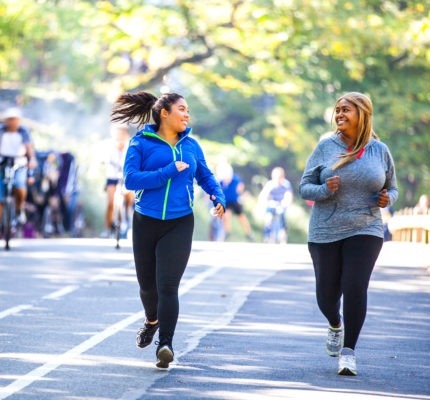
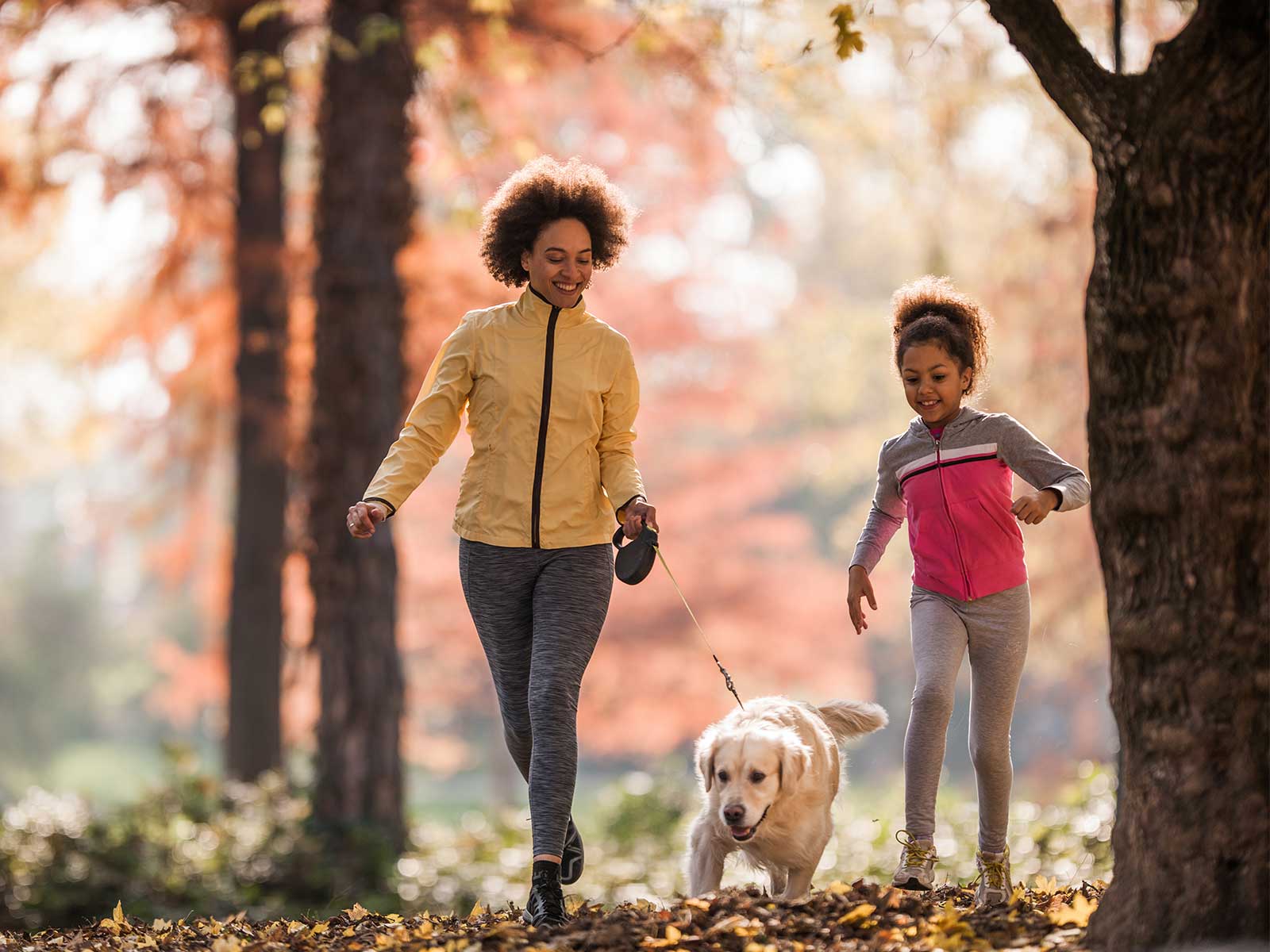
Encourage employees to take advantage of crisp autumn weather by tracking daily steps or miles as they visit fall destinations. Create virtual routes that mirror scenic trails or national parks, and allow participants to see collective progress on a shared leaderboard. Ask employees to track their steps via wearables or on a well-being platform. This challenge promotes movement, sparks friendly competition and encourages employees to appreciate the season’s natural beauty while staying active together.
2. Practice daily mindfulness activities.
Fall’s fast pace often leaves little room to pause. A mindfulness challenge offers that reset. Each day, encourage employees to try a simple exercise before logging off. These small pauses help build emotional balance and remind employees that calmness is a skill that can be strengthened through practice.
3. Stay hydrated as the weather cools.
When the temperature drops, it’s easy to forget about hydration. A hydration challenge reminds employees that maintaining daily water intake is important year-round. Remind participants that seasonal drinks, like herbal teas and citrus-infused warm water, all count toward daily hydration goals and can support sustained energy and focus.
4. Add seasonal produce to meals.
The abundance of seasonal produce at this time of year can make healthy eating exciting. Encourage employees to add apples, squash, leafy greens or sweet potatoes to their daily meals. Invite participants to share photos, favorite recipes or quick meal ideas on internal communication channels. Featuring weekly “produce spotlights” or fun facts keeps interest high. Nutrition becomes discovery, not duty.
5. Build and track an evening routine.
A consistent evening routine enables employees to transition easily from work to relaxation, which is often overlooked during busy seasons. Encourage participants to design a simple wind-down ritual that supports quality sleep, such as turning off screens early, reading for relaxation or setting intentions for the next day. Provide prompts through your well-being platform, so employees can reflect on what works best for them and record their progress. When rest becomes intentional, employees start each day restored and focused.
6. Share appreciation with colleagues.
Gratitude carries special weight in the fall. It’s a season of reflection and connection. Invite employees to express appreciation for their peers through quick notes, shout-outs or team recognition boards. These small gestures build trust and strengthen relationships across departments. When gratitude becomes an integral part of everyday communication, it shifts the culture. Teams collaborate more freely, morale improves and people feel seen for their contributions. Explore these additional ways to show gratitude at work this fall season.
7. Try one new well-being activity each week.
Encourage employees to explore something new each week: a virtual yoga class, a lunchtime walk with a colleague or a short resilience webinar. Variety keeps things interesting and helps employees discover what motivates them most. Explore these additional wellness challenges for employees to complement your fall program.
How to track progress and outcomes.
Measuring results keeps your employee wellness challenge purposeful and helps leaders understand its impact. Start by outlining key performance indicators, such as participation rates, completion numbers or survey feedback, to capture both engagement and sentiment. Use your well-being platform, pulse surveys or team check-ins to gather insights throughout the challenge. Beyond numbers, listen for shifts in conversation, collaboration and morale. These qualitative signs often reveal the deeper benefits of your program.
Incentives and recognition strategies that won’t break the budget.
Meaningful recognition keeps motivation strong long after the challenge begins. Focus on rewards that feel personal rather than expensive, such as team shout-outs during meetings, digital badges or mentions in company newsletters. Reusable water bottles, produce bags or extra time off reward employees in tangible ways. Encourage leaders to celebrate milestones publicly to build excitement and visibility. Authentic recognition reminds employees that their effort matters more than the prize.
Turn fall momentum into lasting habits.
When the challenge ends, the opportunity begins. Use the energy and connection built during the season to encourage ongoing well-being practices. Ask employees which activities they enjoyed most and how they plan to continue them. Incorporate their feedback into future initiatives, such as habit-stacking or monthly micro-challenges. Keep the engagement alive through wellness content, coaching or employee ambassadors who share progress year-round. By turning seasonal engagement into consistent action, you build a culture of well-being, not just a once-a-year event.
Launch your fall wellness challenge with confidence.
With a plan and inspiring ideas in place, it’s time to bring your challenge to life. Start by setting a clear launch date, engaging internal champions and using communication templates to build excitement. Encourage leaders to share personal goals and progress. It signals commitment from the top and motivates participation across teams. WebMD Health Services can align your wellness challenge ideas to your organizational goals.
Ready to get started? Request a demo to see how our solution strengthens engagement, connection and well-being for every employee.